Discount Coupon Ticker
Enjoy 20% Student Discount on Every Ride You Book 🚖 Enjoy 20% Student Discount on Every Ride You Book 🚖 Enjoy 20% Student Discount on Every Ride You Book 🚖 Enjoy 20% Student Discount on Every Ride You Book 🚖

Is a Taxi Considered Public Transport in Manchester?

Recent Posts

Is a Taxi Considered Public Transport

When it comes to getting around Manchester, the city offers a wide variety of transport options. From the extensive bus network to the well-connected tram system, there’s no shortage of ways to travel. But one question that often arises among travellers is: Is a taxi considered public transport in Manchester?

This blog will break down everything you need to know about taxis in Manchester, their relationship to public transport, and how they fit into the city’s broader transport network. Whether you’re a resident, a tourist, or a business traveller, you’ll find this guide valuable for understanding Manchester’s transport system.

What is Public Transport?

Before diving into whether a taxi counts as public transport, it’s important to understand what we mean by “public transport.” Public transport typically refers to shared transport services that are open to the public, generally operated on a fixed route and schedule.

Common types of public transport in Manchester include:

  • Buses
  • Trams
  • Trains

These modes of transport are run by official public authorities, such as Transport for Greater Manchester (TfGM), and are available for anyone to use for a fixed fare. Buses and trams have defined routes, while trains offer scheduled services connecting key areas of Manchester and surrounding regions.

Is a Taxi Considered Public Transport

Key Characteristics of Public Transport:

  1. Fixed routes
  2. Scheduled times
  3. Accessible for the general public
  4. Set fares

Now that we have an understanding of public transport, let’s explore where taxis fit in.

Are Taxis Public Transport?

In a strict sense, taxis are not considered traditional public transport. Unlike buses, trams, and trains, taxis do not operate on fixed routes or a set timetable. Instead, taxis are on-demand transport services.

Key Differences Between Taxis and Public Transport:

  • Taxis:
    • Can be hailed from the street, booked in advance, or ordered via an app like Uber.
    • Travel along a route of your choice, rather than a set route.
    • The fare is usually calculated based on distance and time.
  • Public Transport:
    • Operates on fixed routes and timetables.
    • Available at designated stops and stations, accessible to anyone within a set time window.
    • Fares are generally fixed or zoned.

While taxis do not meet the traditional definition of public transport, they form part of the wider public transport ecosystem. Taxis provide an essential service for many people, particularly when fixed-route transport is unavailable, such as late at night, during off-peak hours, or in areas not served by buses or trams.

Taxis in Manchester: How They Fit into the Transport System

Taxis are an integral part of Manchester’s transport network, helping passengers reach areas not easily accessible by buses, trams, or trains. Whether you’re catching a flight, attending a business meeting, or simply in need of a ride home, taxis offer a flexible and convenient mode of transport.

Here’s why taxis are still considered a key transport option, even if they are not classified as public transport:

1. Accessibility

Taxis are available across Manchester 24/7. They provide door-to-door service, meaning you can be picked up from your exact location and dropped off at your destination, without needing to follow a fixed route.

2. Complement to Other Transport Modes

Many people use taxis in combination with other public transport services. For instance, a passenger might take a tram or train to the city centre and then hop into a taxi to travel the remaining distance to a specific address. Taxis bridge the gaps in the fixed-route network.

3. Ideal for Short or Unscheduled Journeys

Public transport is great for scheduled travel along set routes. But what if you need to get somewhere that’s not on a bus or tram route, or you’re travelling outside of scheduled hours? In these cases, taxis serve as a practical and often necessary alternative.

4. Airport Transfers

Manchester’s taxis provide direct access to and from key locations like Manchester Airport, offering a smooth and easy journey for people flying into or out of the city. While buses and trams also serve the airport, booking a Manchester airport taxi provides a more direct and personalised service, especially for those carrying luggage or in a rush.

5. Private Hire Vehicles (Uber & Minicabs)

Services like Uber and minicabs are also part of the taxi network. They may not hail from the street, but they are still public transport alternatives that provide flexibility and on-demand services. Although they operate differently from traditional taxis, they serve the same purpose in the transport system.

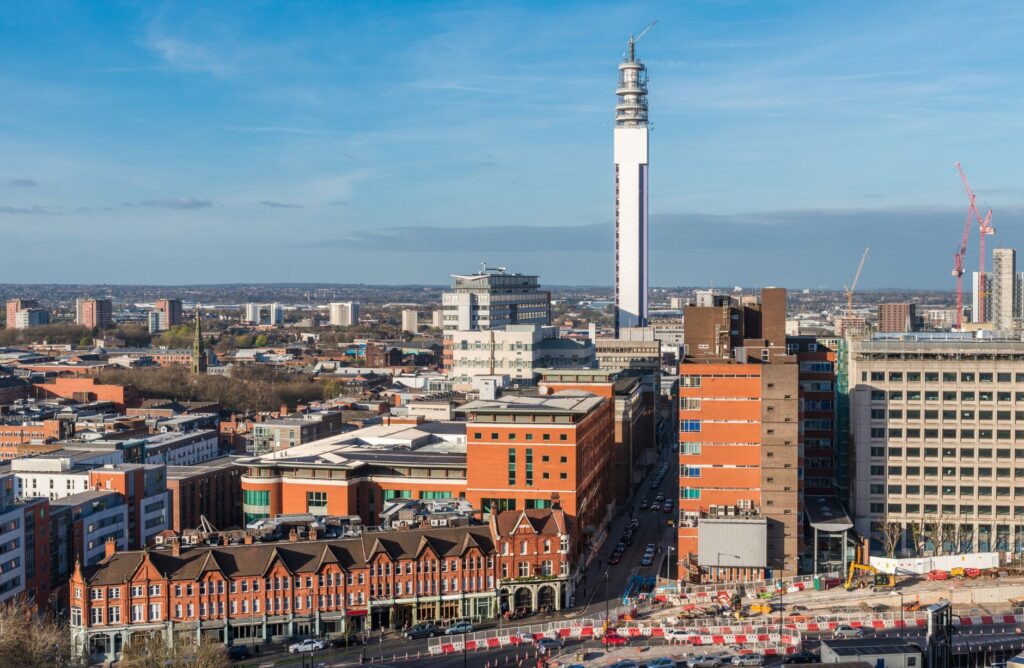
About Birmingham

In transport planning, taxis are sometimes considered as part of the wider mobility system, especially when discussing integrated transport services. Planners recognise that taxis complement public transport services by serving unmet transport needs and offering last-mile connectivity.

How Taxis Complement Public Transport:

  • First-mile, last-mile connections: Taxis can help you reach the nearest tram, bus, or train station (first mile) and take you from the station to your destination (last mile).
  • Transport flexibility: They allow for a flexible travel experience for those in need of more planned journeys.
  • Reliability in off-peak hours: Taxis are available when scheduled services (like buses and trains) aren’t.

Inclusion in the Transport Network:

Although taxis may not fit within the public transport framework governed by authorities like TfGM, they are still licensed by local authorities and integrated into the broader public transport ecosystem. In short, while taxis are not public transport in the strictest sense, they serve a vital function within the city’s transport network.

How Taxis Complement Public Transport in Manchester

Manchester’s taxi services are important for many residents and visitors, helping connect people to key locations, whether it’s the airport, a late-night trip home, or a business meeting in the city centre. Even though taxis are not part of the traditional “public transport” system, they serve a wide range of purposes that ensure the city runs smoothly.

Taxis Provide:

  • Convenience for travellers looking for direct routes.
  • Personalized service for those needing flexibility in their travel schedule.
  • Support for commuters who need additional connections or transport options.

Are Taxis Public Transport in Manchester?

In conclusion, taxis in Manchester are not considered public transport in the strictest sense because they do not follow fixed routes or schedules. However, they are an important part of the city’s wider transport network, offering an essential on-demand service for locals and visitors alike.

Taxis complement buses, trams, and trains by filling the gaps in public transport, making them a critical mobility option for many. So, while not public transport in the traditional sense, taxis are integral to Manchester’s transportation system.

If you want to know more about Manchester’s transport network, we can also dive into the best taxi services, compare travel options, or explore how to make the most of your time in the city using different modes of transport.

FAQs

No, taxis are not classified as public transport in the traditional sense. Public transport includes services like buses, trams, and trains that operate on fixed routes and schedules. Taxis, however, are on-demand services that offer flexibility and do not follow set routes.

No, taxis in Manchester do not operate on fixed routes. They are on-demand transport, meaning they take passengers wherever they need to go within the city, unlike buses or trams that follow pre-determined routes.

Yes, taxis are available 24/7 in Manchester. You can hail a taxi from the street, book one in advance, or use services like Uber at any time.

Yes, taxis are ideal for reaching areas that are not served by public transport, especially during off-peak hours when buses or trams may not be running.

Taxis provide flexibility and “last-mile connectivity,” helping passengers travel to and from public transport hubs like bus and tram stations. They are especially useful for reaching destinations outside the coverage area of fixed-route transport.

Yes, taxis are a popular choice for airport transfers in Manchester, providing direct transport to and from Manchester Airport. This is especially convenient for those with luggage or on tight schedules.

While taxis are not technically public transport, they play a key role in Manchester’s transport network by offering on-demand services that complement buses, trams, and trains, making the city more accessible to everyone.