Discount Coupon Ticker
✈ Book Your Airport Ride Today & Save 30% — Use Promo Code: ATM30 at Checkout 🚖 ✈ Book Your Airport Ride Today & Save 30% — Use Promo Code: ATM30 at Checkout 🚖

How Many Airports Are in England? A Simple and Detailed Guide

Recent Posts

How many airports are in England

When people ask how many airports are in England, they are usually thinking about places where they can catch a flight. England has a strong and well-connected airport network. These airports link cities across the country and connect the UK to destinations all over the world. Every year, millions of passengers rely on reliable airport transfers for holidays, work trips, family visits, and business travel.

If you look at England on a map, one thing becomes clear very quickly: airports are spread across the country in a way that makes travel accessible from almost every region. You don’t always need to travel to London to fly abroad. Many cities have their own airports that offer direct routes to popular destinations.

What counts as an airport?

How many airports are in England

The word “airport” can sometimes be confusing because it is used in different ways. In everyday language, it usually means a place where passengers can board and land flights. These airports have terminals, check-in desks, security checks, and airlines operating on regular schedules.

How many airports are in England

There are also smaller airfields used for training or private flying, but most people do not include them when asking about airports. These places may have runways, but they do not offer regular passenger services.

So in this guide, we are focusing on airports that people actually use for travel. This makes the answer clearer and more useful for anyone planning a trip or trying to understand England’s transport system.

How many airports are in England?

England has around forty airports that operate regular passenger flights. These include both large international airports and smaller regional airports.

This number gives a clear and practical answer for travellers. While there are many other airfields in England, they are not used for normal passenger travel, so they are usually not counted in this context.

The number is not exact because airports can change over time. Some may expand, reduce flights, or even close. However, the figure of around forty remains a good estimate and is widely accepted.

Major airports in England

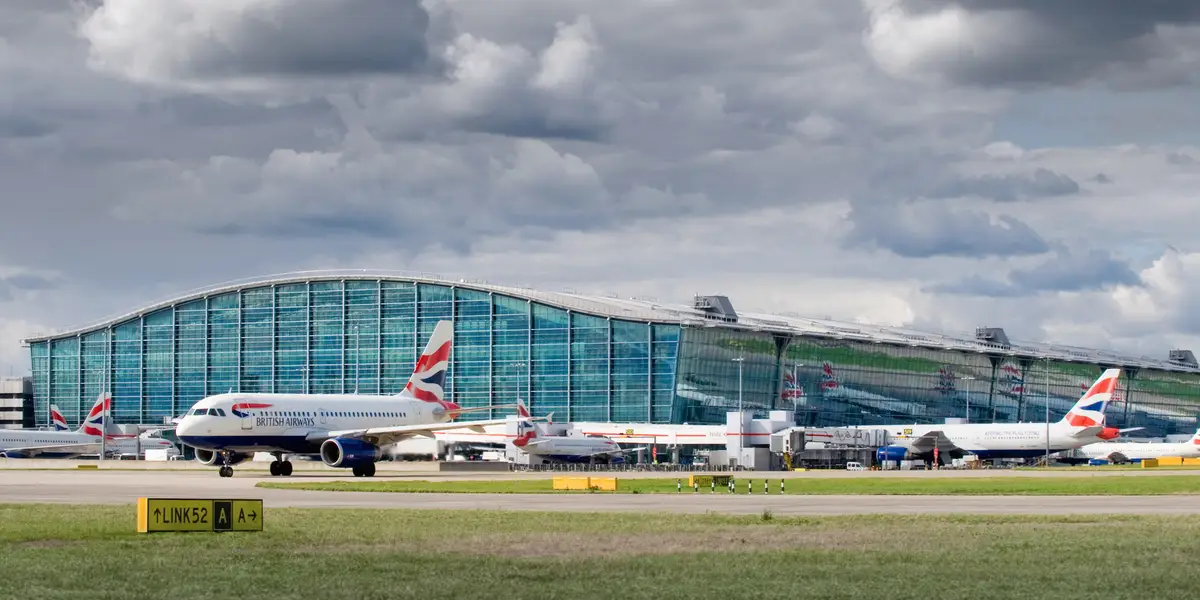
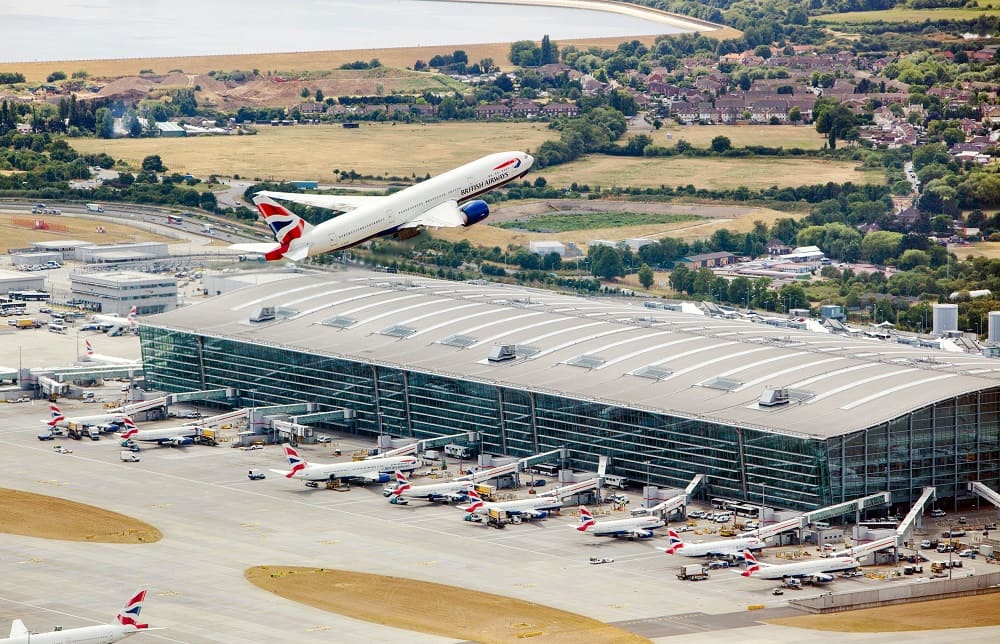
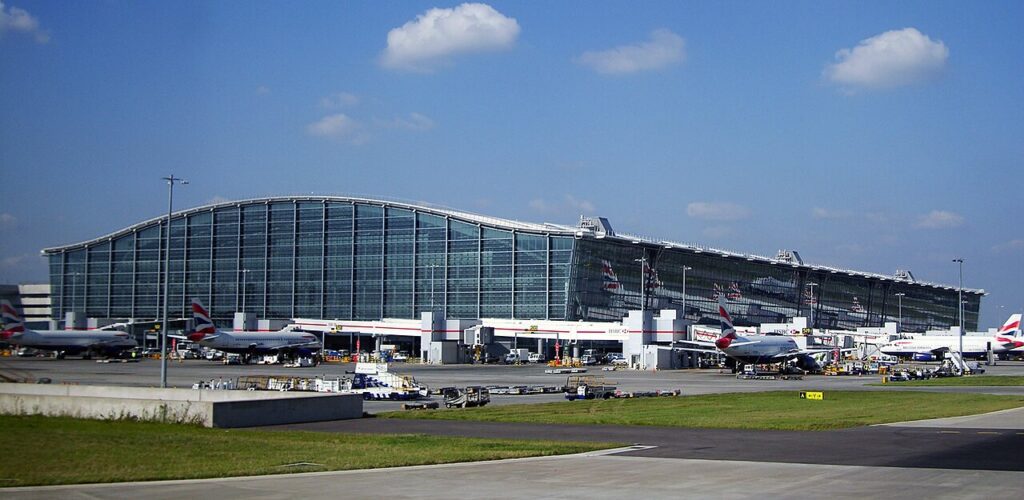
The busiest and most well-known airport in England is Heathrow Airport. It is one of the largest airports in the world and connects England to major cities across every continent. Heathrow handles a huge number of passengers every year and is often the first choice for long-haul international flights.

Another important airport is Gatwick Airport, which handles millions of passengers each year. It is especially popular for European trips and holiday travel. Many low-cost and charter airlines operate from Gatwick, making it a busy and active hub.

In the north of England, Manchester Airport is the biggest airport and offers many international routes. It is a key gateway for travellers living outside London and reduces the need to travel south for long-distance flights.

Airports such as Birmingham Airport and Bristol Airport also play a big role in connecting different regions of the country. These airports serve both domestic and international routes and are important for local economies.

London’s airport network

London is one of the world’s busiest travel hubs, so it has several airports to handle the demand. This makes it easier for people to travel both within the UK and internationally.

Along with Heathrow and Gatwick, London also has Stansted Airport, which is widely used by budget airlines. It offers a large number of low-cost flights, especially to European destinations.

There is also Luton Airport, which provides many short-haul routes and is popular with travellers looking for affordable options.

For business travel, London City Airport is very convenient because it is close to central London. It is often used by professionals who need quick access to the city.

In total, London has six main airports, including Southend Airport. This makes it one of the best-connected cities in the world and gives travellers a wide range of choices when booking flights.

Regional airports across England

England is not just about London. Many regional airports help people travel from different parts of the country without needing to go through the capital. This saves time and makes travel more convenient.

For example, Leeds Bradford Airport serves the Yorkshire region and offers both domestic and international flights. It is an important airport for northern England.

In the north-east, Newcastle Airport connects travellers to various destinations and plays a key role in regional travel.

In the south-west, Exeter Airport is popular, especially during holiday seasons when tourism increases.

Another useful airport is Southampton Airport, which connects southern England to other parts of the UK and nearby countries.

Some airports also support cargo services. For example, East Midlands Airport is one of the busiest freight airports in the country. This shows that airports are not only for passengers but also for moving goods.

Why airports are important in England

Airports play a big role in everyday life in England. They allow people to travel quickly across long distances, whether for holidays, work, or family reasons. They also support tourism by bringing visitors into the country. Cities and regions benefit from this, as tourists spend money on hotels, food, transport, and attractions.

Airports are equally important for business. They help companies connect with international markets and make it easier to move goods and people. For many businesses, being close to an airport is a major advantage. Because England has a high travel demand, having multiple airports helps reduce congestion and gives travellers more options. This makes the overall travel experience smoother and more flexible.

Why the number can vary

You may notice that different sources give slightly different numbers for airports in England. This is because some lists include smaller airfields, while others only include airports used for passenger travel.

Some people also count airports that are no longer active or those with very limited services. This can increase the total number and make it seem higher than it really is for practical use.

If you focus on airports used by travellers, the number stays around forty. This makes it the most useful figure for general understanding.

Summary

England has around forty airports that people can use for travel. These include major international airports, busy regional hubs, and smaller local airports.

This wide network makes England one of the most connected countries in the world. No matter where you are, there is usually an airport nearby that can take you to your destination.

The key point is to keep things simple. While there are many other aviation sites across the country, the number that matters for most people is the number of airports they can actually use. And that number remains around forty.

FAQs

England has approximately 40 airports that handle scheduled passenger flights. In addition, there are many smaller airfields used for private aviation and pilot training.

The busiest airport in England is Heathrow Airport, which handles the highest number of passengers and international flights each year.

London has six major airports: Heathrow Airport, Gatwick Airport, Stansted Airport, Luton Airport, London City Airport, and Southend Airport.

No, not all airports in England offer commercial passenger services. Many smaller airports and airfields are used for flight training, cargo operations, or private aviation.

England has a large number of airports due to high passenger demand, a strong tourism industry, and its importance as an international business and travel hub.