Discount Coupon Ticker
Enjoy 20% Student Discount on Every Ride You Book 🚖 Enjoy 20% Student Discount on Every Ride You Book 🚖 Enjoy 20% Student Discount on Every Ride You Book 🚖 Enjoy 20% Student Discount on Every Ride You Book 🚖

Why Are Taxi Drivers Exempt From Wearing Seat Belts in the UK?

Recent Posts

Taxi Drivers Exempt From Wearing Seat Belts

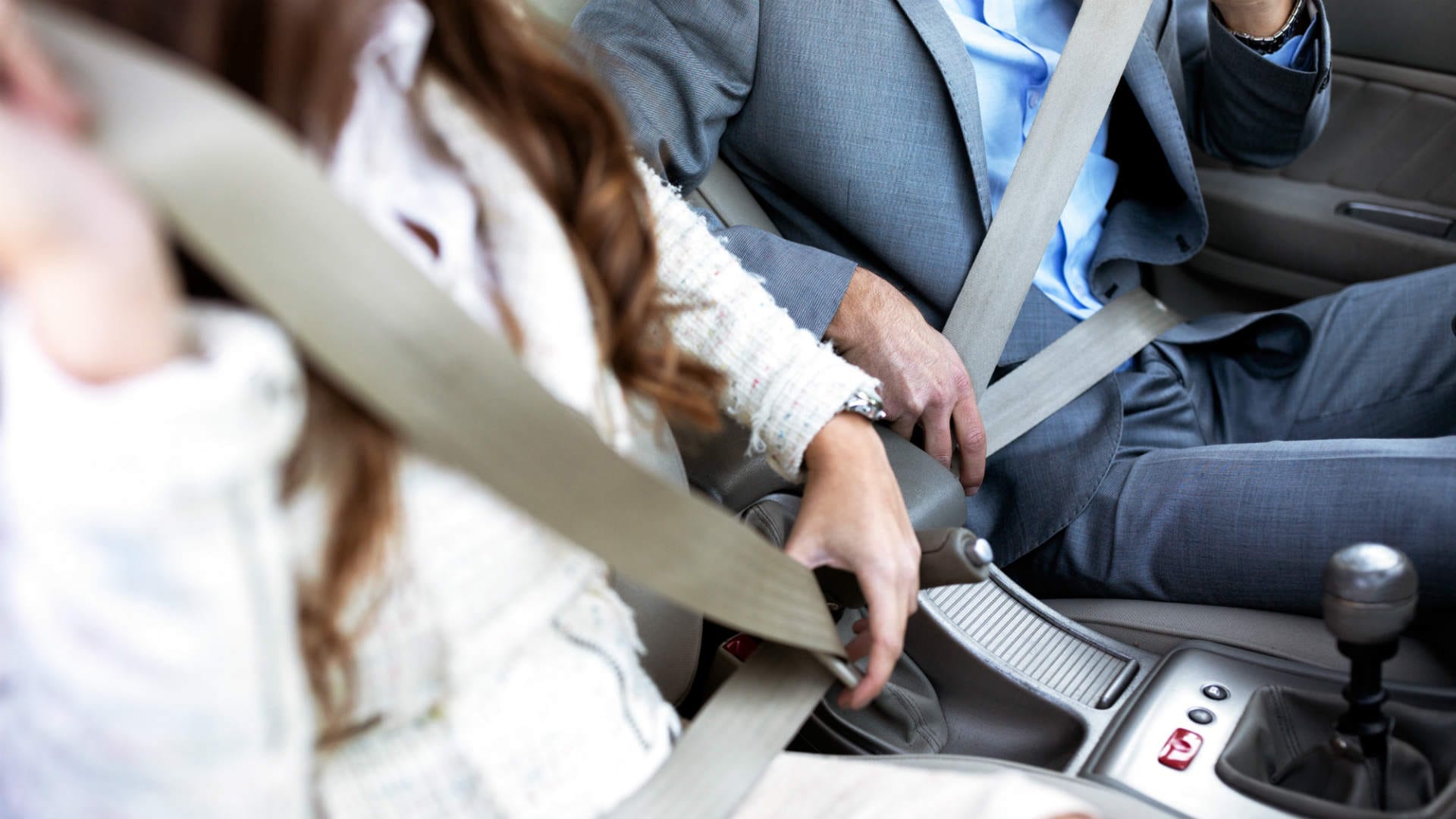
If you have ever travelled in a taxi around Manchester or other parts of the UK, you may have noticed that some taxi drivers do not wear seat belts while working. Many passengers assume this is illegal, while others think drivers are simply ignoring the rules. In reality, there is a legal exemption in the UK that allows certain taxi drivers to drive without wearing a seat belt under specific conditions.

This law has existed for many years and is connected to driver safety, working conditions, and the history of taxi services in Britain. Even though the rule is still active today, it continues to create debate among road safety experts, taxi operators, and passengers.

In cities like Manchester, where taxis are constantly moving through busy streets during both day and night, the topic often comes up among drivers and customers alike. Understanding why this exemption exists helps explain how the UK taxi industry operates and why the law treats taxi drivers differently from ordinary motorists.

The UK seat belt law for taxi drivers

Taxi Drivers Exempt From Wearing Seat Belts?

In the UK, most drivers and passengers must wear a seat belt by law. However, taxi drivers working under certain conditions are exempt from this requirement. The rule mainly applies to licensed hackney carriage drivers and, in some situations, private hire drivers carrying passengers for work purposes.

The exemption comes from UK transport regulations linked to the Road Traffic Act. It does not mean taxi drivers can ignore seat belt rules all the time. The exemption only applies while they are actively working.

Taxi Drivers Exempt From Wearing Seat Belts?

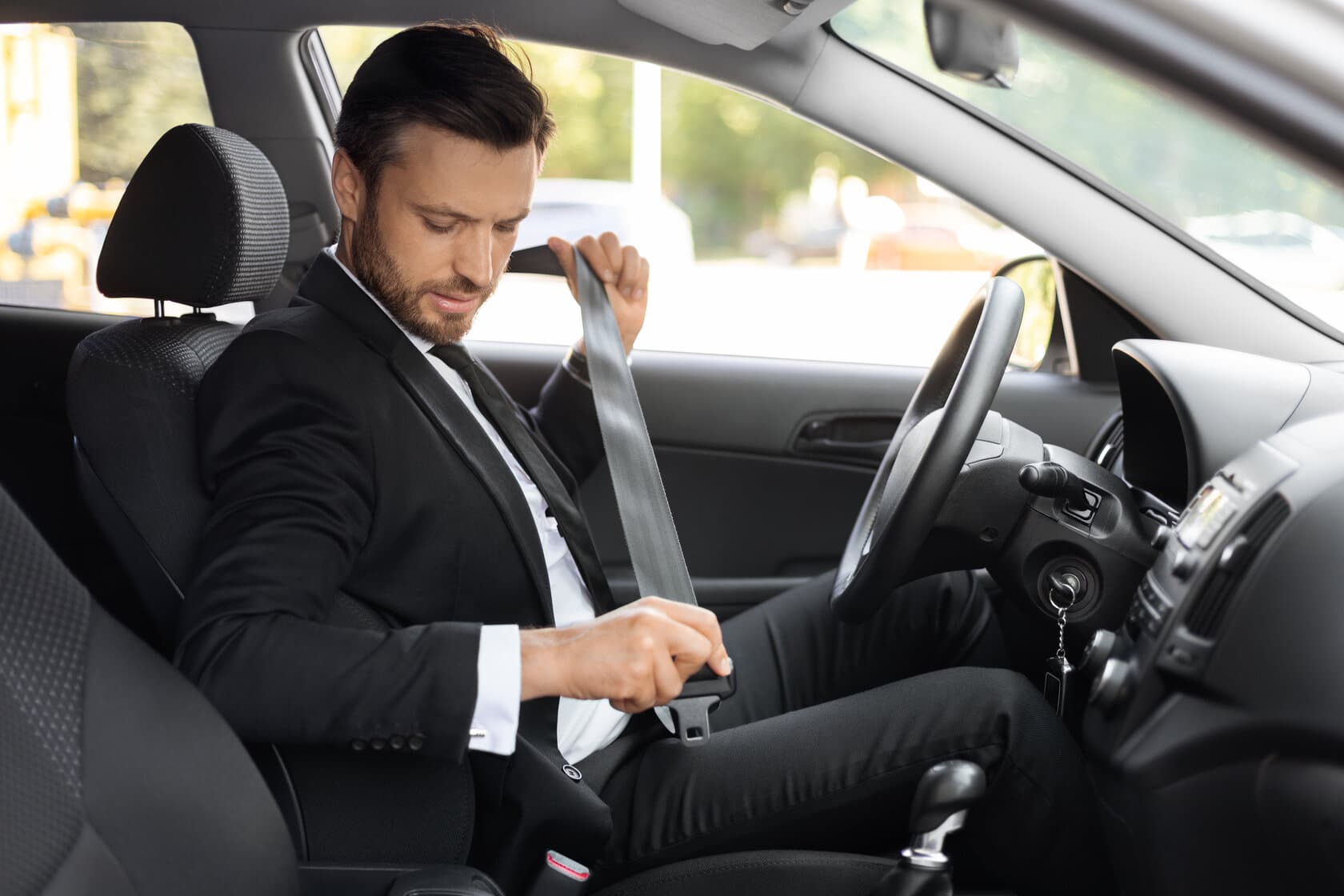
For example, a taxi driver may legally drive without a seat belt when:

  • carrying passengers,
  • waiting at a taxi rank,
  • or searching for fares.

Once the driver finishes work or drives privately, the normal seat belt law applies again.

This is why many taxi drivers in Manchester city centre may appear without seat belts during working hours, but wear them while travelling home or driving outside their shift.

Safety concerns played a major role

One of the biggest reasons behind the exemption was driver safety. Taxi drivers often work alone and regularly transport strangers, especially during late-night shifts. Decades ago, assaults and robberies involving taxi drivers were a serious concern across many UK cities.

Manchester’s night-time economy has long been busy with pubs, clubs, concerts, football matches, and nightlife activity. Taxi drivers working during these hours can face difficult situations involving intoxicated or aggressive passengers.

Lawmakers believed seat belts could slow a driver down during emergencies. If a passenger became violent or attempted robbery, the driver might need to leave the vehicle quickly. Some people also worried that an attacker could use the seat belt to trap or restrain the driver.

At the time these laws were introduced, taxis did not have many of the modern security systems seen today. There were no mobile tracking apps, digital booking records, CCTV systems, or emergency panic buttons in most vehicles. Drivers had fewer ways to protect themselves.

Because of this, the government decided taxi drivers needed more freedom of movement while working.

The nature of taxi work

Taxi driving is different from ordinary driving in many ways. Drivers spend their shift constantly stopping and starting, picking up passengers, helping with luggage, and navigating crowded streets.

In places like Manchester, taxis regularly stop near:

  • train stations,
  • shopping areas,
  • football stadiums,
  • hotels,
  • and entertainment districts.

Drivers may get in and out of the vehicle several times within a short period. Repeatedly fastening and removing a seat belt throughout the day was considered impractical when the law was first designed.

Traditional black cab drivers especially argued that constant seat belt use could slow down their work. The government accepted that taxi driving involved unique working conditions compared with private driving.

This is one reason why taxi drivers received a separate legal category under transport regulations.

Manchester’s busy taxi environment

Manchester has one of the busiest taxi networks in the UK outside London. The city centre stays active late into the night, particularly around areas such as:

  • Deansgate,
  • Piccadilly,
  • the Northern Quarter,
  • and Old Trafford on match days.

Drivers often work long hours in heavy traffic while dealing with passengers from different backgrounds and situations. Weekend evenings can become particularly challenging because of alcohol-related incidents.

For many local taxi drivers, the exemption is viewed as part of the job rather than a special privilege. Some drivers choose not to wear a seat belt because they believe it helps them react faster during tense situations. Others simply follow habits developed over many years of driving.

Still, not every Manchester taxi driver avoids seat belts. Many now wear them voluntarily, especially younger drivers and those using app-based services.

Modern technology has changed the discussion

The taxi industry today looks very different from the one that existed when the exemption was introduced.

Modern taxis now often include:

  • CCTV cameras,
  • GPS tracking,
  • emergency alarms,
  • cashless payment systems,
  • and digital booking records.

These tools have improved driver security significantly. Because of this, some road safety organisations believe the exemption is outdated.

Experts argue that traffic accidents are far more common than physical attacks against drivers. Seat belts are proven to reduce serious injuries and save lives during collisions. Critics say the law should focus more on crash protection than on older security concerns.

Insurance companies also encourage taxi drivers to wear seat belts whenever possible. Some studies suggest unbelted drivers may suffer far more serious injuries during accidents, even at lower speeds in city traffic.

This debate continues across the UK, including in Manchester, where road congestion and accident risks remain high.

Private hire drivers and black cab drivers

Many people assume all taxi drivers follow the same rules, but there is an important difference between hackney carriage drivers and private hire drivers.

Hackney carriages are traditional taxis that can:

  • wait at taxi ranks,
  • accept street hails,
  • and pick up passengers without booking.

Private hire vehicles, including many app-based services, must usually be pre-booked before collecting passengers. Because of this difference, private hire drivers may have narrower exemptions depending on local licensing rules and working conditions.

In Manchester, both systems operate side by side. Black cabs are common around transport hubs and city-centre areas, while private hire vehicles dominate app-based bookings. Even though both groups may qualify for seat belt exemptions while working, the rules can vary slightly depending on the situation.

Passengers still need seat belts

The taxi driver exemption does not apply to passengers. People travelling in taxis are still expected to wear seat belts where fitted.

Adults are responsible for wearing their own seat belts, while drivers may hold responsibility in certain situations involving children.

Some passengers feel uncomfortable when their driver is not wearing a seat belt, especially during fast-moving motorway journeys. Others barely notice because many taxi trips in Manchester happen over short urban distances. Regardless of personal opinion, passengers should still follow normal seat belt laws during taxi journeys.

Why do some taxi drivers still choose to wear seat belts

Even though the law provides an exemption, many drivers still wear seat belts voluntarily. This is becoming more common across the UK taxi industry.

Several reasons explain this change.

First, awareness around road safety has increased. Drivers now understand the serious injuries that can happen during collisions, even in city traffic.

Second, modern taxis are often fitted with better safety systems that reduce concerns about assault and robbery.

Third, some taxi companies encourage seat belt use to improve passenger confidence and professional image.

In Manchester, passengers using app-based taxi services often expect drivers to follow the same safety standards as ordinary motorists. This has gradually influenced driver behaviour. Younger drivers entering the trade are also more likely to wear seat belts compared with older generations who worked during earlier decades of taxi driving.

Could the law change in the future?

There have been occasional discussions about reviewing taxi driver seat belt exemptions in the UK. Some safety groups believe the rules should be updated because the original reasons behind the exemption are less relevant today.

However, taxi unions and drivers often defend the law, arguing that risks still exist, especially during night shifts and in busy city environments. Manchester continues to experience high levels of nightlife activity, which means taxi drivers still encounter difficult situations involving aggressive or intoxicated passengers.

For now, the exemption remains part of UK law. Drivers can legally decide whether to wear a seat belt while actively working under the permitted conditions.

Final thoughts

Taxi drivers in the UK have a seat belt exemption because of the unique nature of their work, especially concerns around driver safety and constant stop-start journeys in busy cities like Manchester. While the rule still exists today, opinions around it continue to change as taxi safety technology improves and road safety awareness grows. Even with the exemption, many drivers now choose to wear seat belts during work for added protection. 

FAQs

Many taxi drivers in Manchester are legally exempt from wearing seat belts while working. The exemption mainly exists because drivers may need to leave the vehicle quickly during emergencies or dangerous situations. Some drivers also work in busy late-night areas where passenger-related incidents can happen.

No, it is not illegal in certain situations. Licensed taxi drivers can legally drive without a seat belt while actively working, carrying passengers, waiting at taxi ranks, or looking for fares. Outside work, they must follow the normal seat belt law like other drivers.

Private hire drivers, including Uber drivers, may qualify for exemptions while carrying passengers for work purposes. However, many still choose to wear seat belts for safety reasons. Rules can also depend on local licensing conditions.

Yes, passengers are still expected to wear seat belts in taxis where they are fitted. Adults are responsible for their own seat belt use, while drivers may hold responsibility in certain situations involving children.

There have been discussions about changing the law because modern taxis now include CCTV, GPS tracking, and other security systems. Some road safety experts believe the exemption is outdated, but many taxi drivers still support keeping the rule in place.