How Much Does a Taxi Cost Per Mile in the UK? (2026 Guide)
How Much Does a Taxi Cost Per Mile in the UK? (2026 Guide) Search Search Recent Posts If you’re planning
Book your trip online. → Or call us +44 333 567 7070 Or email [email protected]

How Much Does a Taxi Cost Per Mile in the UK? (2026 Guide) Search Search Recent Posts If you’re planning

What Does a Chauffeur Do? The Complete Guide to the Duties of a Professional Chauffeur Service UK Search Search Recent

Can I book a taxi from Manchester Airport in advance? Search Search Recent Posts Yes, you can book a taxi

What to Expect from a Professional Airport Taxi Service in the UK Search Search Recent Posts Getting to and from

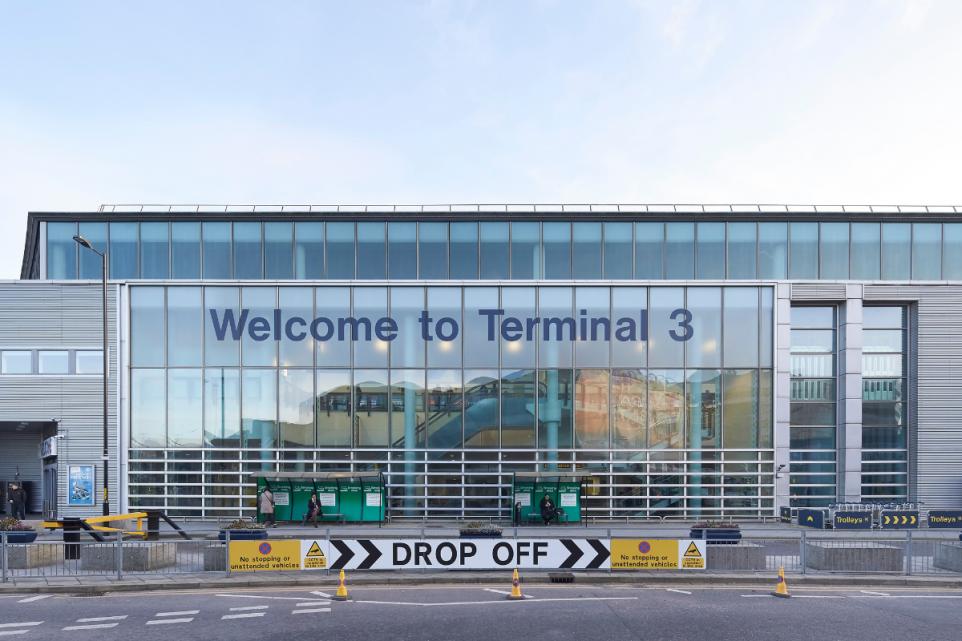
How Many Terminals Are There at Manchester Airport? Search Search Recent Posts Travellers often search online asking how many terminals

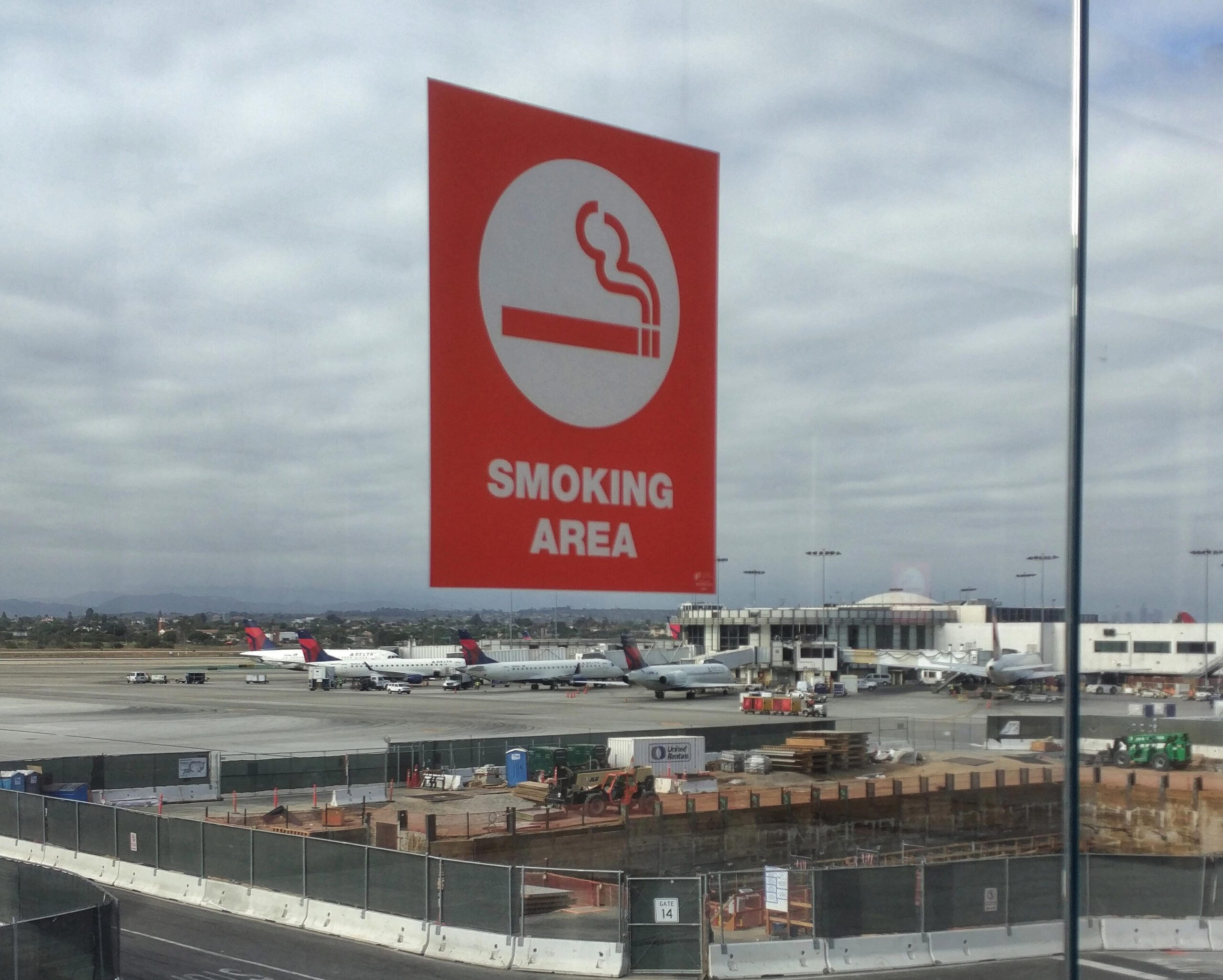
Does Manchester Airport Have a Smoking Area? Full Guide For Travellers Search Search Recent Posts If you smoke or vape,

How far is Manchester from Birmingham? Search Search Recent Posts If you are based in Manchester and planning a trip

How to pre-book a Manchester Airport taxi step by step Search Search Recent Posts Travelling should be exciting, but for
If you’re planning a journey in 2026 and wondering how much a taxi costs per mile in the UK, you’re not alone. Taxi pricing remains one of the most searched travel cost questions in Britain. Whether you’re booking a short city-centre ride, heading to the airport, or planning a longer intercity trip, understanding taxi fare per mile helps you avoid surprises and manage your travel budget more effectively.
In 2026, the average taxi cost per mile in the UK typically ranges between £1.20 and £3.20 per mile, depending on where you are travelling, the time of day, and the local tariff set by the council. While inflation and operational costs have influenced pricing over recent years, the structure of taxi fares remains consistent across the country.
This guide explains how taxi fares are calculated, what you can expect to pay in major cities, how Manchester compares nationally, and which factors increase the final price.
Taxi fares in the UK are regulated locally rather than nationally. Each city or district council sets an official tariff for licensed hackney carriage taxis. These rates are legally binding and enforced through calibrated taximeters installed in vehicles.
A typical UK taxi fare includes three core elements.
The base fare is the starting charge applied when you enter the taxi. In 2026, most councils set base fares between £2.50 and £4.50, depending on the city and tariff period. This covers the initial distance travelled.
After the base fare, the meter calculates the cost based on the distance travelled. In most regional cities, the effective taxi cost per mile falls between £1.80 and £2.70 during daytime hours. In London, the cost per mile often exceeds £3.00, especially in heavy traffic.
When the vehicle is stationary or moving slowly, the fare switches to a time-based rate. Waiting time charges in 2026 commonly range between 20p and 45p per minute, which equates to roughly £12 to £30 per hour, depending on location.
Private hire vehicles operate slightly differently, often agreeing on a fixed fare in advance instead of using a meter.
Taxi prices vary across the country, but general 2026 estimates are as follows.
In rural or countryside areas, taxi fares typically range between £1.20 and £1.80 per mile. Lower congestion and reduced demand help keep rates stable.
In cities such as Manchester, Birmingham, Leeds, and Glasgow, taxi fares generally range between £1.80 and £2.70 per mile during daytime hours.
London continues to have the highest regulated taxi fares in the UK. The effective cost per mile typically falls between £2.80 and £3.20, depending on traffic and tariff periods.
For a 5-mile journey in most regional cities, passengers in 2026 can expect to pay between £12 and £22, depending on time and traffic.
Manchester remains a useful benchmark for understanding taxi pricing outside London. The current official tariff (introduced in September 2023 and still in force in 2026 unless updated) provides a clear example of structured pricing.
Under Manchester’s tariff:
The base fare is £3.40.
The effective cost per mile works out at approximately £2.61 per mile.
Waiting time is charged at roughly £22.80 per hour.
Typical daytime fares excluding waiting time include:
1 mile → £5.80
5 miles → £16.20
10 miles → £29.20
Night tariffs apply between 10 pm and 6 am and during bank holidays.
The base fare increases to £3.80.
Distance increments shorten, causing the meter to rise faster.
Waiting time increases to approximately £30.20 per hour.
Typical night fares include:
1 mile → £6.80
5 miles → £20.80
10 miles → £38.00
Manchester generally ranks mid-range nationally for taxi affordability.
Night taxi fares in the UK are typically 25% to 50% higher than daytime rates. Several reasons explain this pricing structure.
For example, in Manchester, certain festive periods apply a night rate plus 50% premium.
To understand taxi cost per mile in practical terms, here are realistic 2026 UK estimates at standard daytime rates.
Traffic congestion and waiting time can increase these totals significantly.
For journeys exceeding 30 miles, many private hire operators offer structured or tiered pricing rather than applying full metered rates.
A typical long-distance model may charge:
This pricing structure is common for airport transfers and intercity travel and can make taxis competitive compared to rail fares in certain cases.
Even if you know the per-mile rate, extra charges can influence the final fare in 2026.
Understanding these additions helps prevent underestimating your total journey cost.
When comparing cost per mile, taxis remain more expensive than buses and trains but offer unmatched convenience.
| Mode of Transport | Average Cost Per Mile (2026) | Key Notes |
|---|---|---|
| Taxi | £1.50 – £3.20 | Door-to-door service, fixed council tariffs, higher cost, but maximum convenience |
| Rideshare | £1.20 – £2.20 | App-based pricing, subject to surge pricing during peak demand |
| Train | £0.20 – £0.70 | Cost-effective for long distances, limited to station routes |
| Bus | £0.10 – £0.35 | Cheapest option, fixed routes, and longer travel times |
| Car Ownership | £0.45 – £0.80 | Includes fuel, insurance, maintenance, and depreciation |
Although taxis cost more per mile compared to public transport options, they provide direct door-to-door travel, greater privacy, flexible scheduling, and safer late-night transport.
In 2026, most UK passengers can expect to pay around £2.00 to £2.70 per mile in regional cities during the day. Rural areas may be slightly cheaper, while London and night travel remain at the higher end of the scale. Manchester’s official daytime rate of approximately £2.61 per mile places it toward the upper-middle of UK pricing. The total taxi fare you pay depends on distance, traffic conditions, time of day, and any applicable surcharges. Understanding how taxi pricing works ensures you can estimate your journey cost accurately before travelling, and many pre-booked providers such as Airport Taxi Man offer fixed pricing in advance to help passengers avoid unexpected fluctuations.
The average taxi cost per mile ranges between £1.20 and £3.20, depending on the region and tariff period.
When a taxi is stationary or moving slowly, the meter switches to waiting time charges, increasing the total fare.
No. Each local council sets its own tariff, which creates regional pricing differences.
In most regional cities, a 5-mile daytime journey costs between £12 and £22.
Pre-booking with a private hire operator may secure a fixed fare, which can be cheaper for long-distance travel.
Airport Taxi Man offers 24/7 Manchester Airport taxi transfers with fixed fares, professional drivers, and a range of clean, comfortable vehicles. Whether you’re heading to the airport or returning, we make every journey simple and stress-free. With fast booking, real-time tracking, and flexible options, you can count on us for reliable and efficient airport taxi services every time.